Show more filters
- Sort by
- Display 180 Products per page



Choose workwear around tasks, movement and working conditions. Branded trousers, jackets and vests should remain comfortable throughout a shift. A consistent appearance matters, but it must support the job.
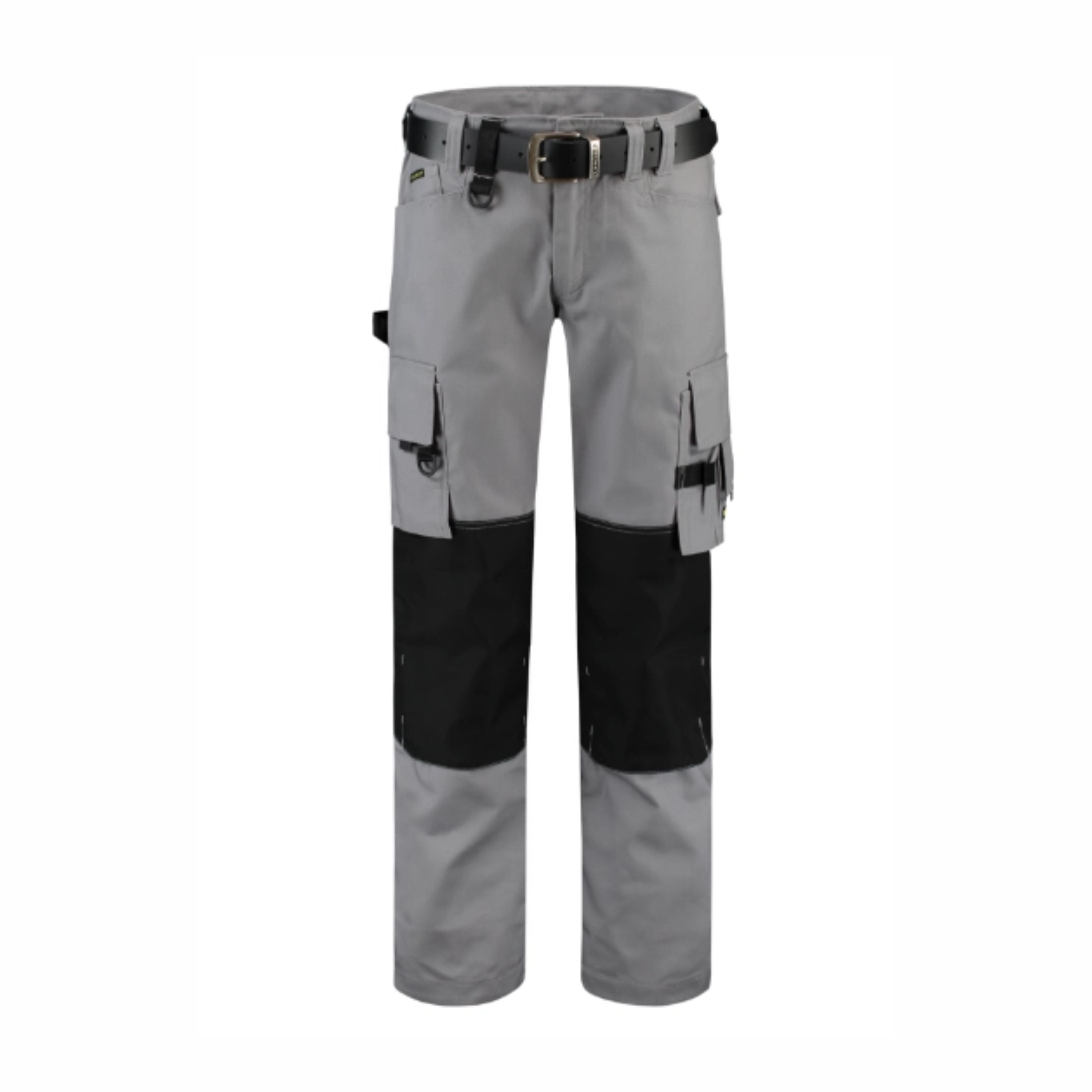
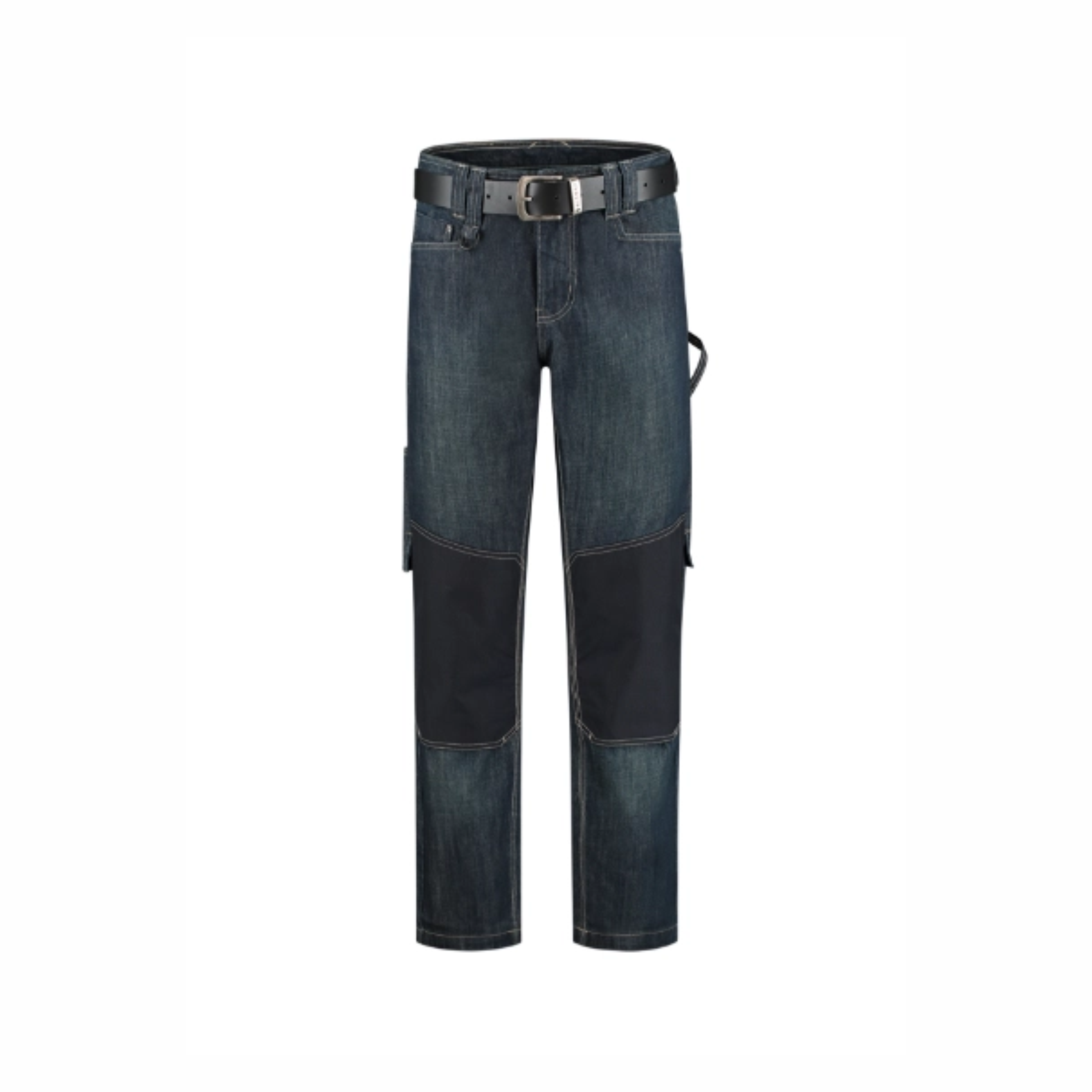
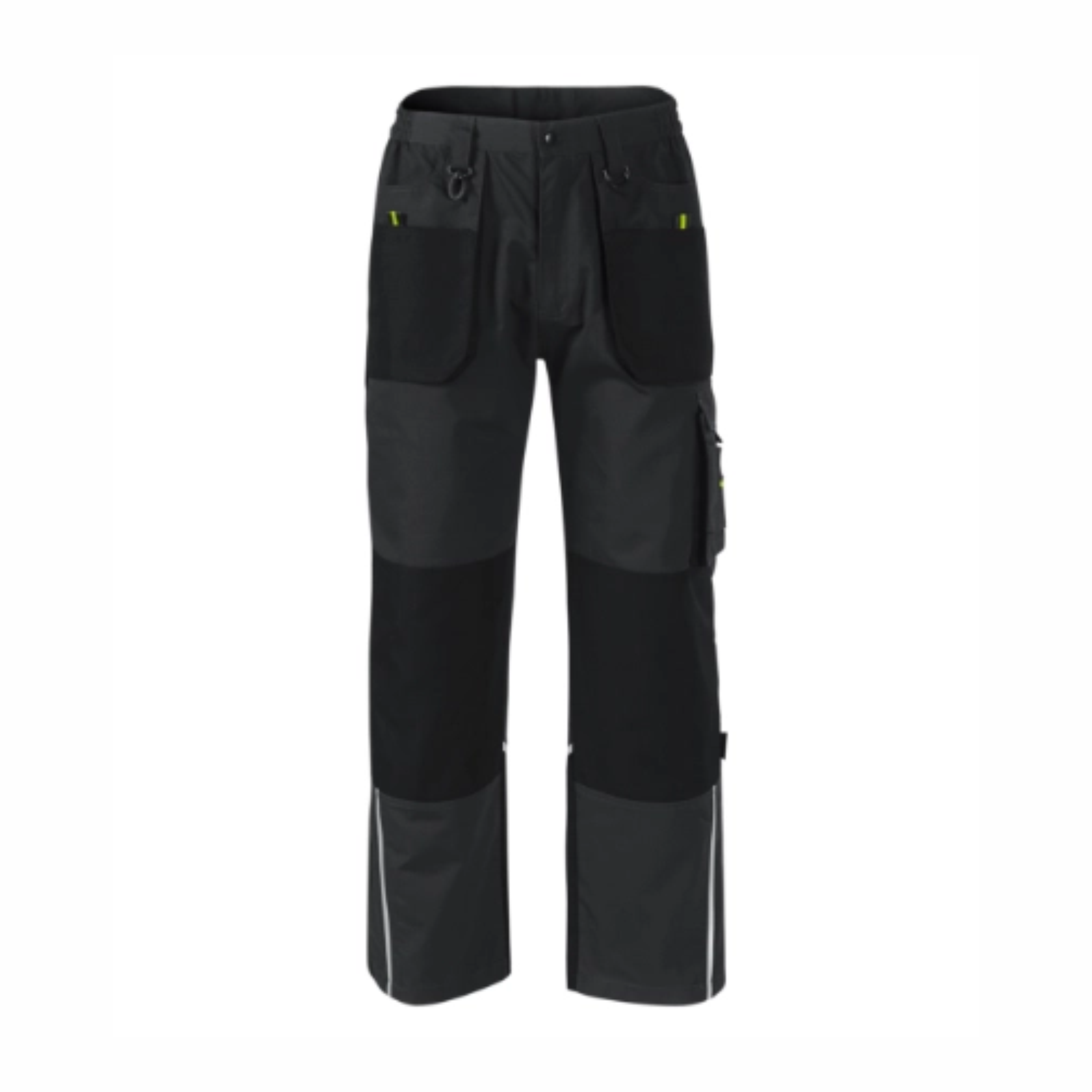
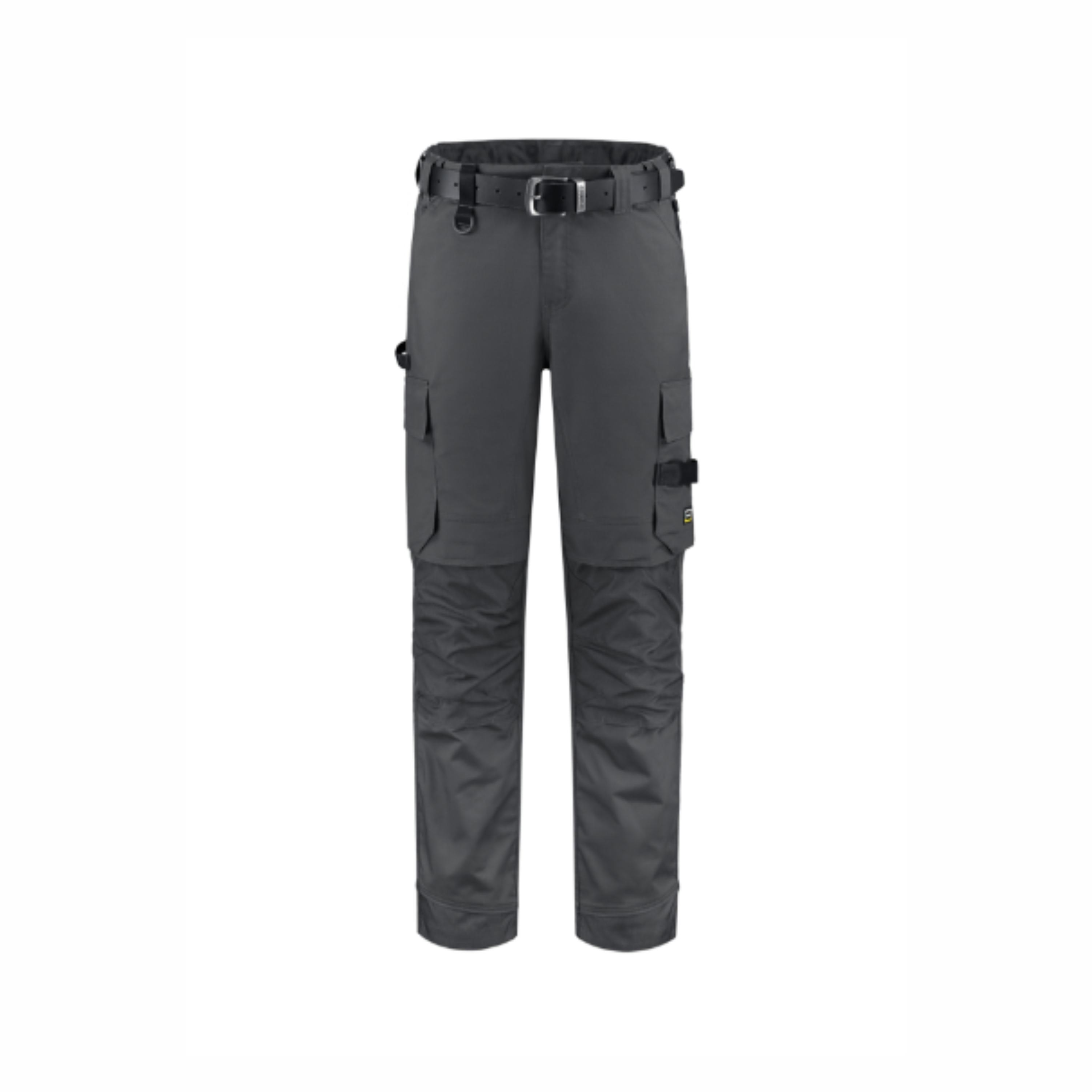
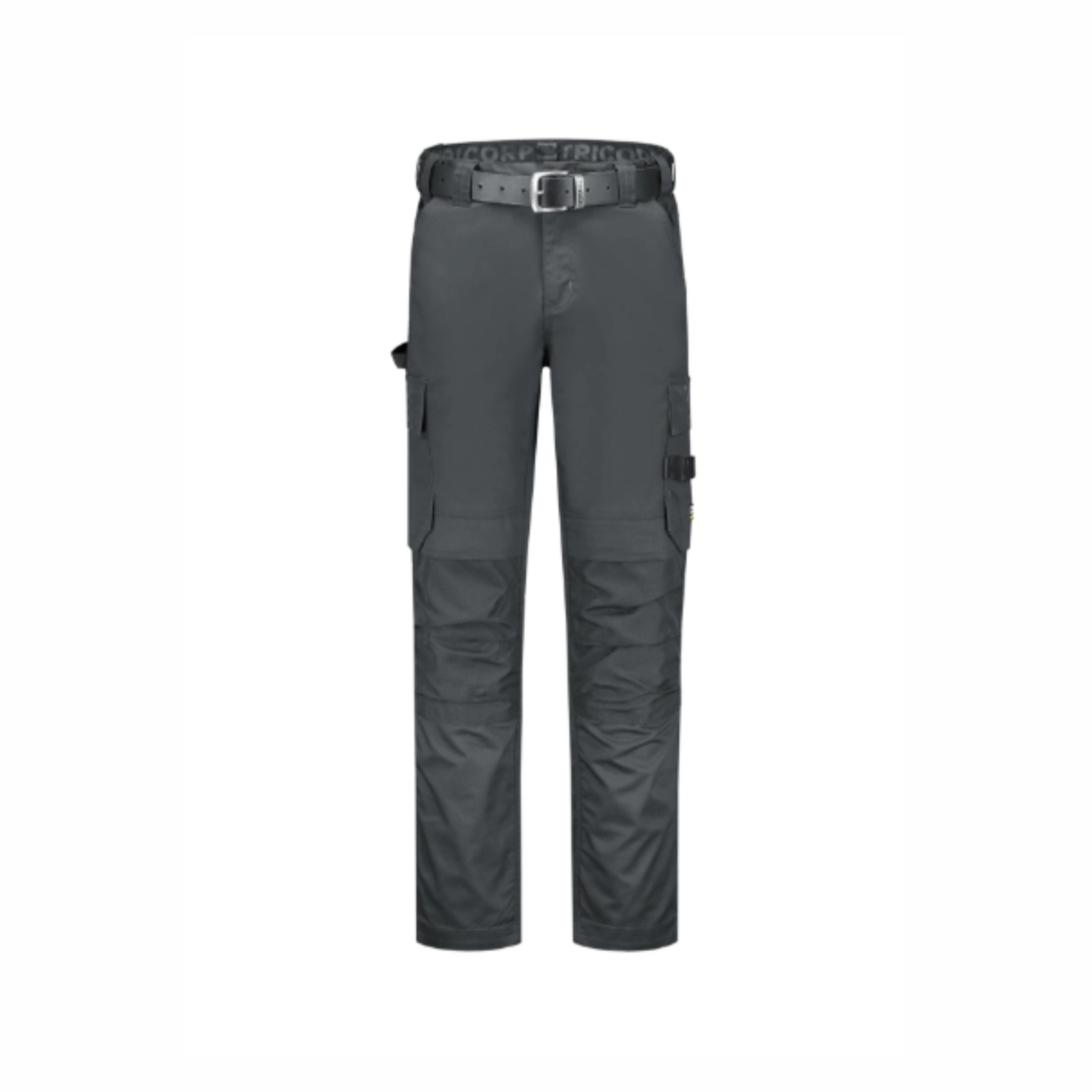
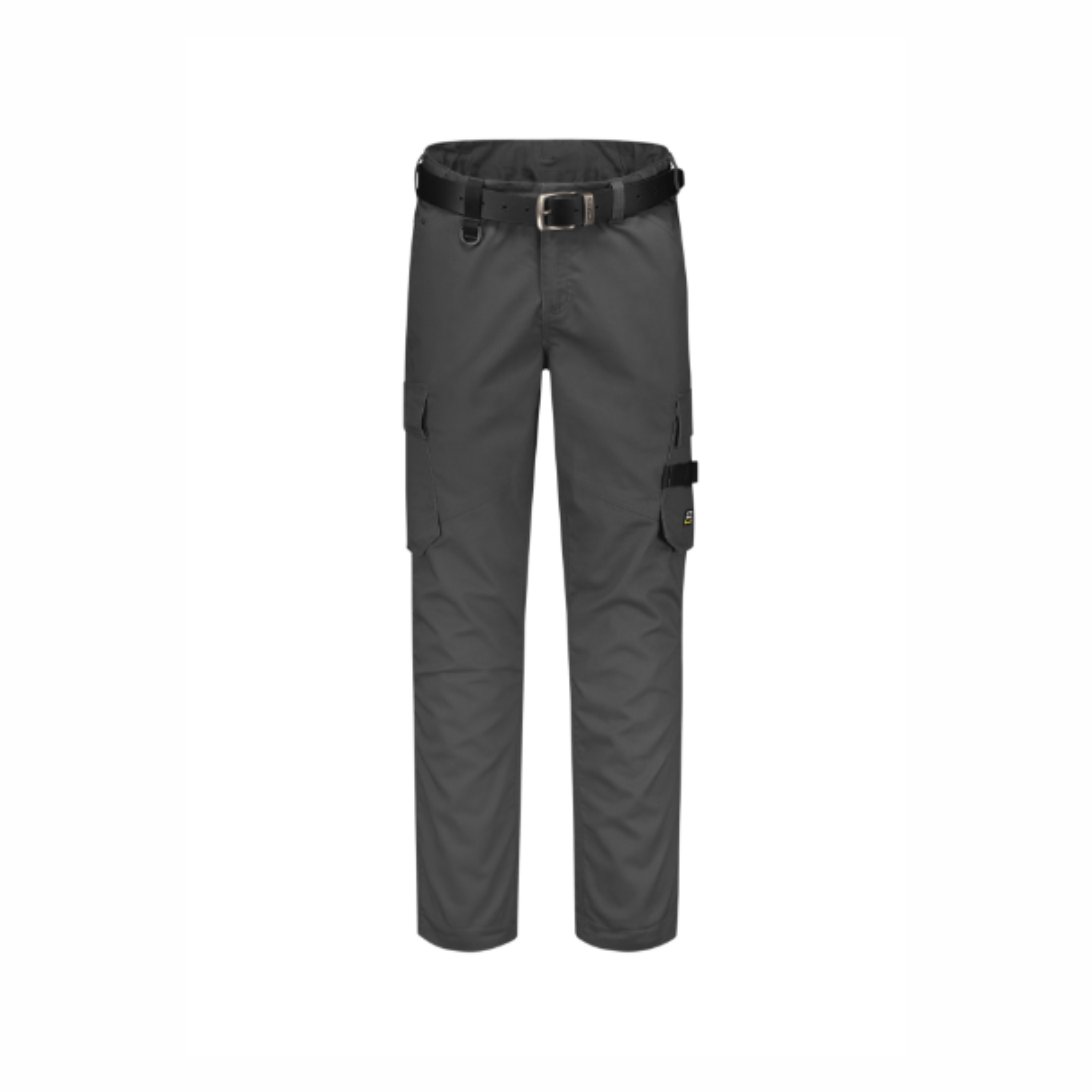
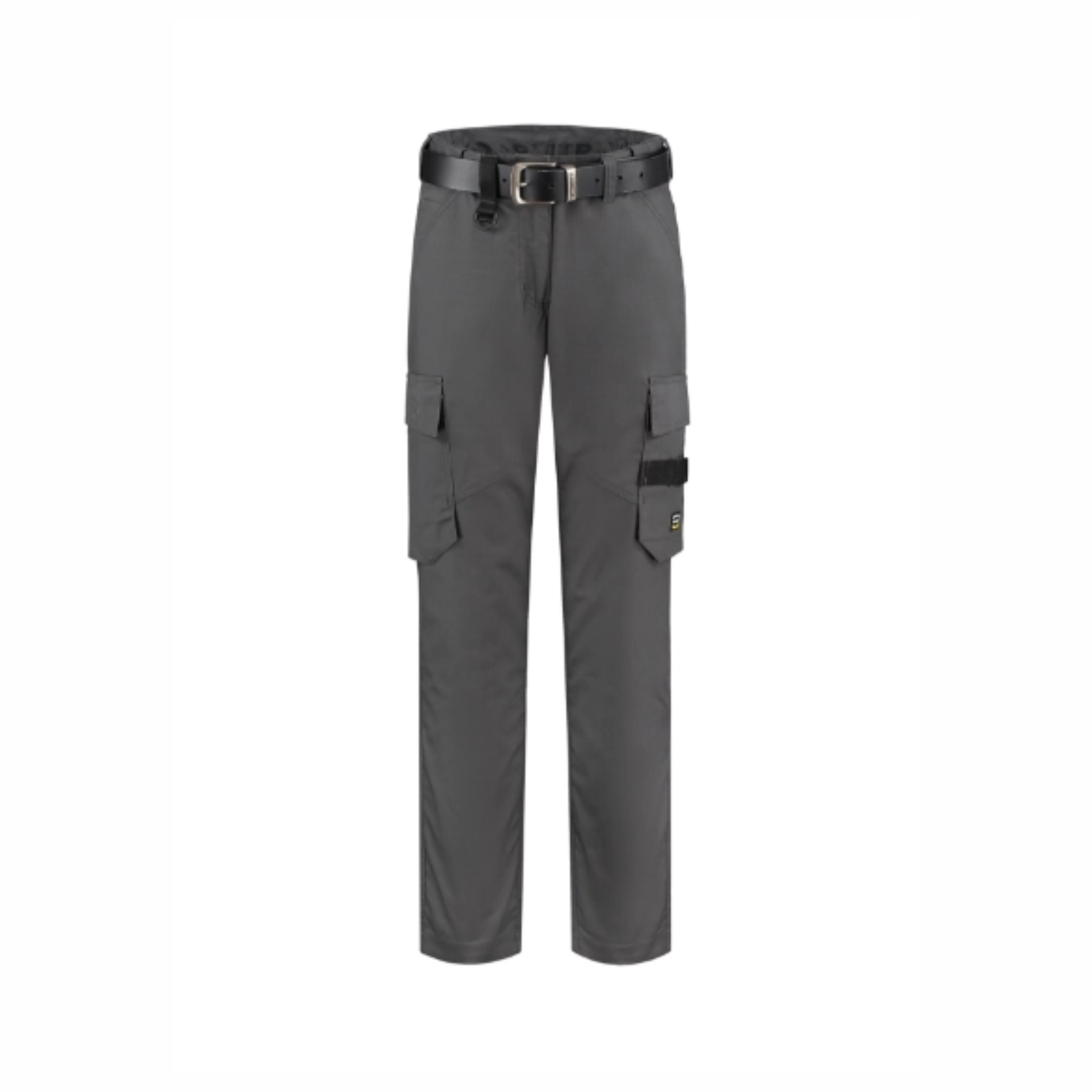
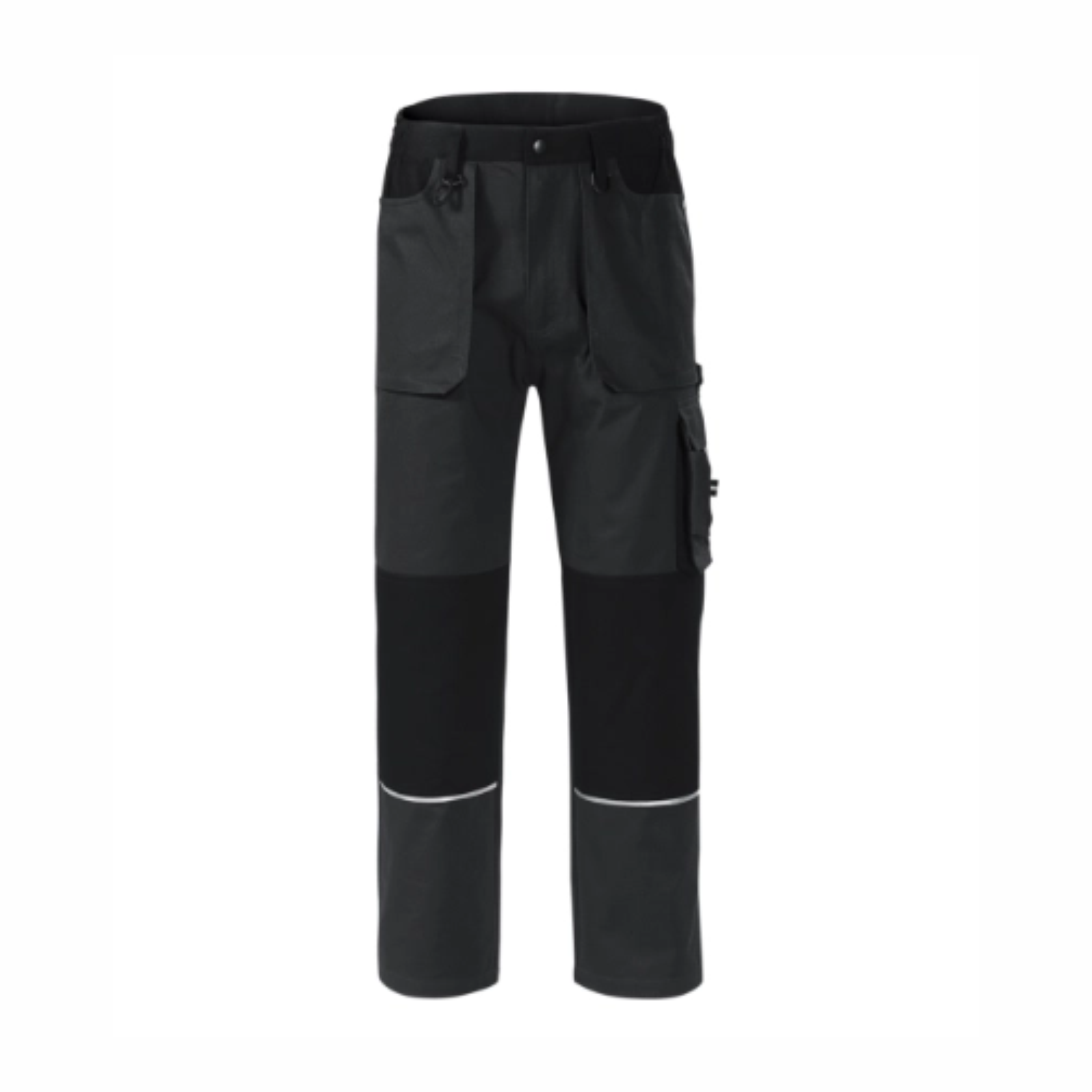
Compare fabric, reinforcements, pocket placement and sizing. Consider kneeling, reaching and carried equipment. Ordinary workwear is not necessarily protective clothing; specific protective requirements need separate definition.
Describe a typical workday: movements, pocket contents, and washing frequency. Those answers provide a more practical brief than color alone. Different roles may suit coordinated branding on garments with different cuts or pocket arrangements. Fit should support the actual task.
Start by speaking with wearers. Which movements do they make, how often do they move indoors and outdoors, and what do they carry? Pocket position or jacket length can matter more than a prominent design detail. Trial garments help reveal these practical needs.
Different roles may require different models. Installers, warehouse staff, and customer-facing specialists can need different cuts or pocket arrangements. Company colors and coordinated logos still provide consistency across functionally different garments. This connects team appearance with equipment suited to the actual work.
Quantities depend on shifts, soiling, and wash cycles, as well as employee count. A model-and-size table supports distribution and later orders. Label packages by employee or department where useful. Care instructions should also reach whoever manages laundry, not just the person placing the order.
Keep branding visible without obstructing pockets or fastenings. Fabric and laundering determine suitable embroidery or printing options.
Decoration must suit the garment’s intended care. Review fabric and marking-process compatibility together. Chest, back and sleeve logos have different visibility, especially with equipment worn over them. Keep pockets and fastenings functional, and assess artwork on the clothing you actually use.
For an overview of the processes, see branding methods.
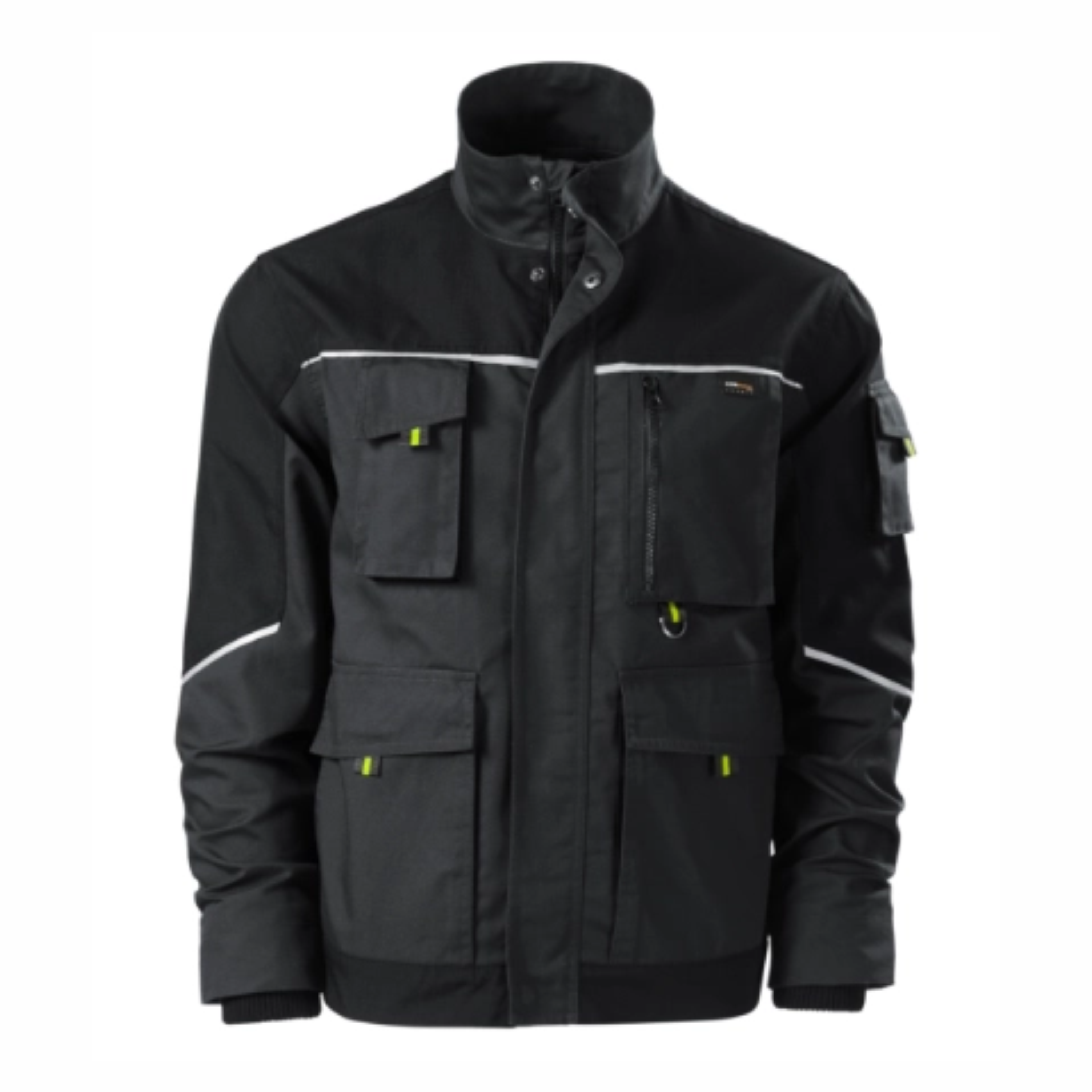
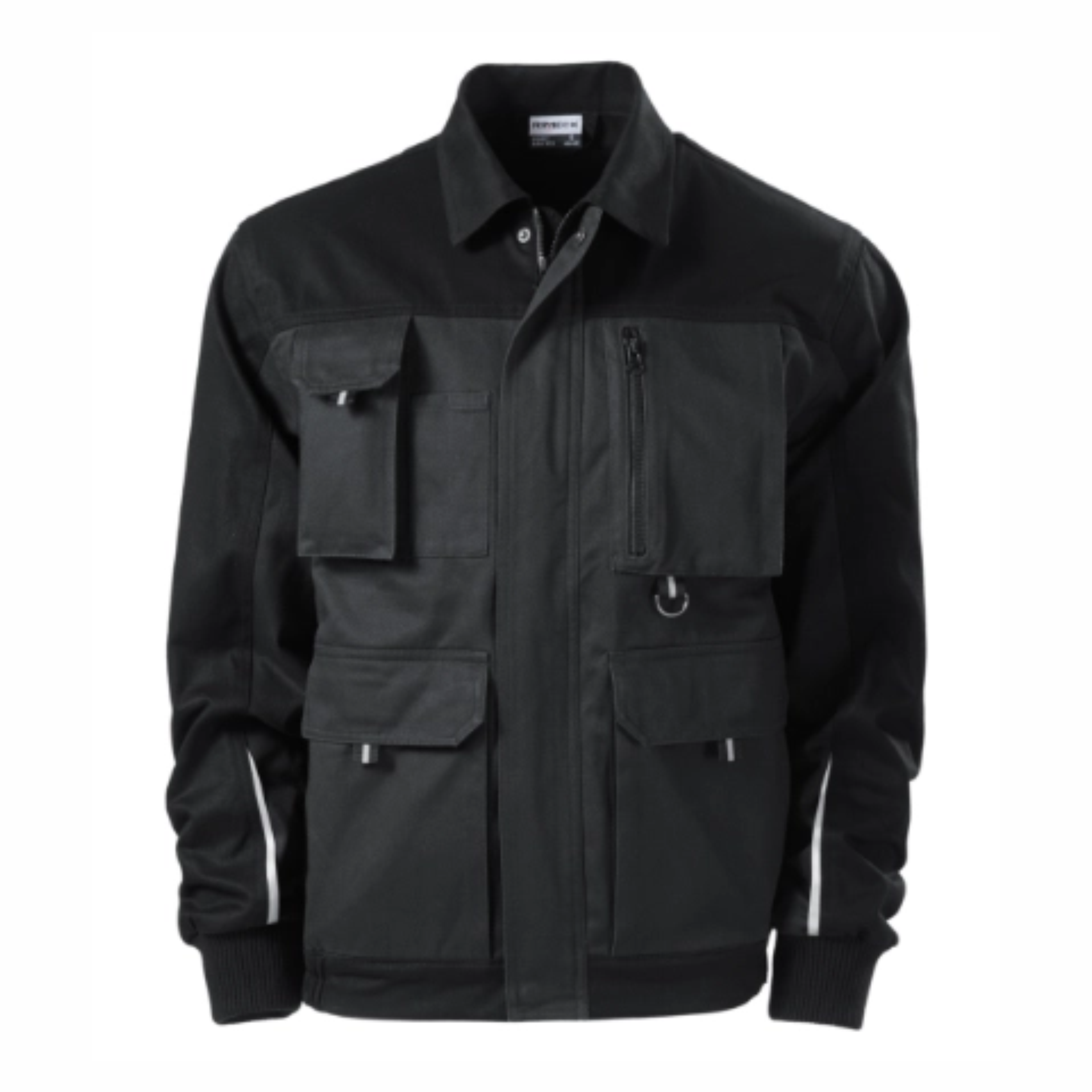
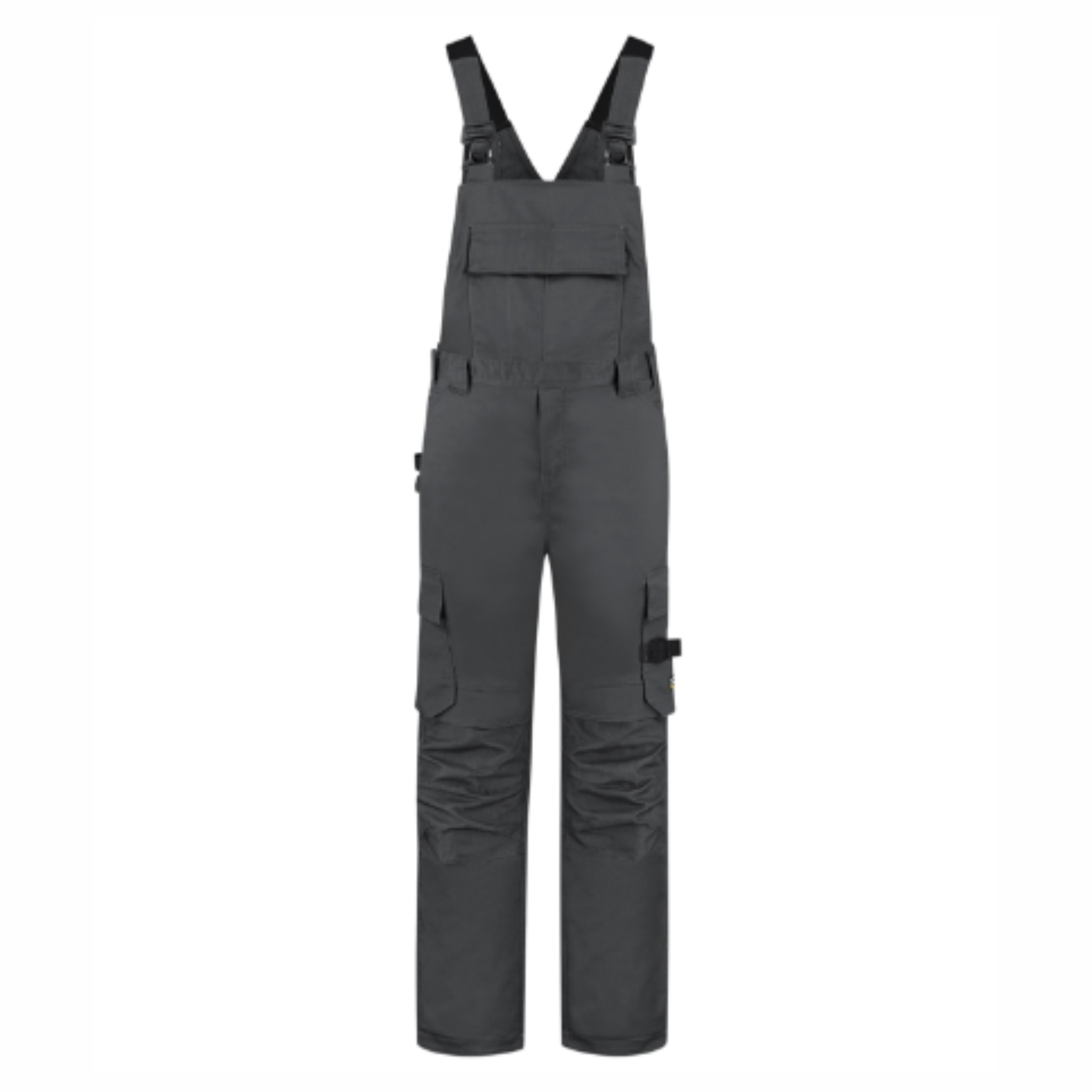
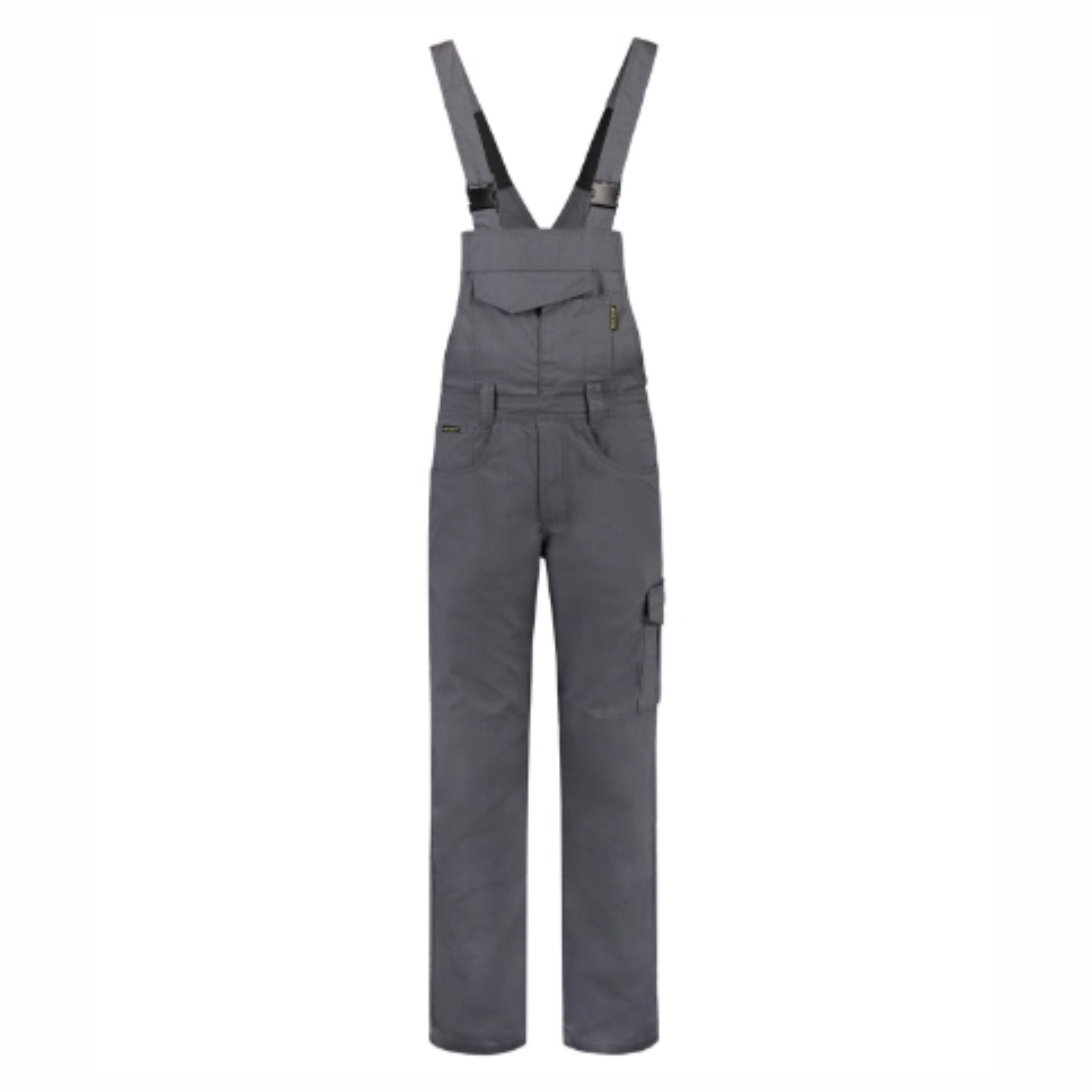
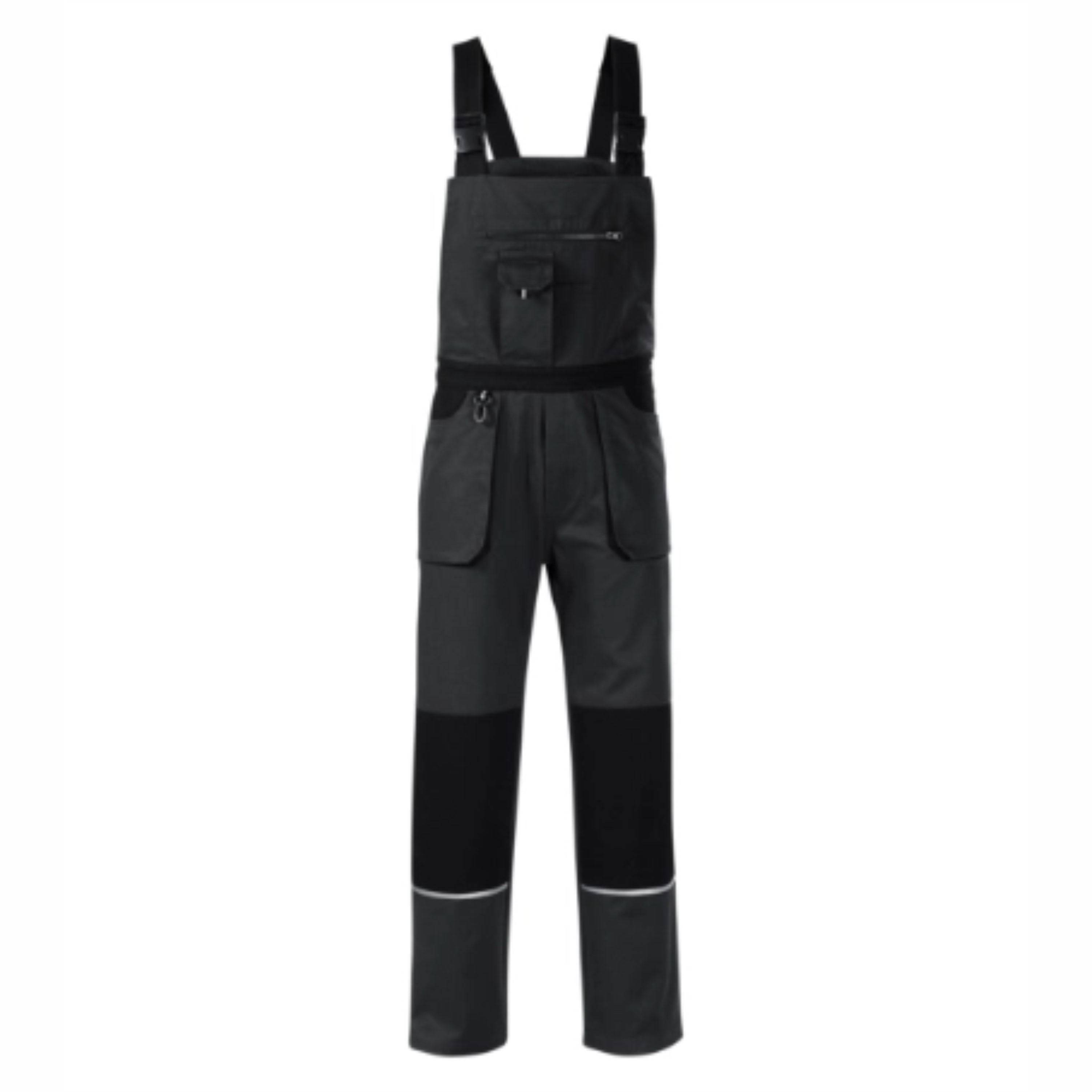
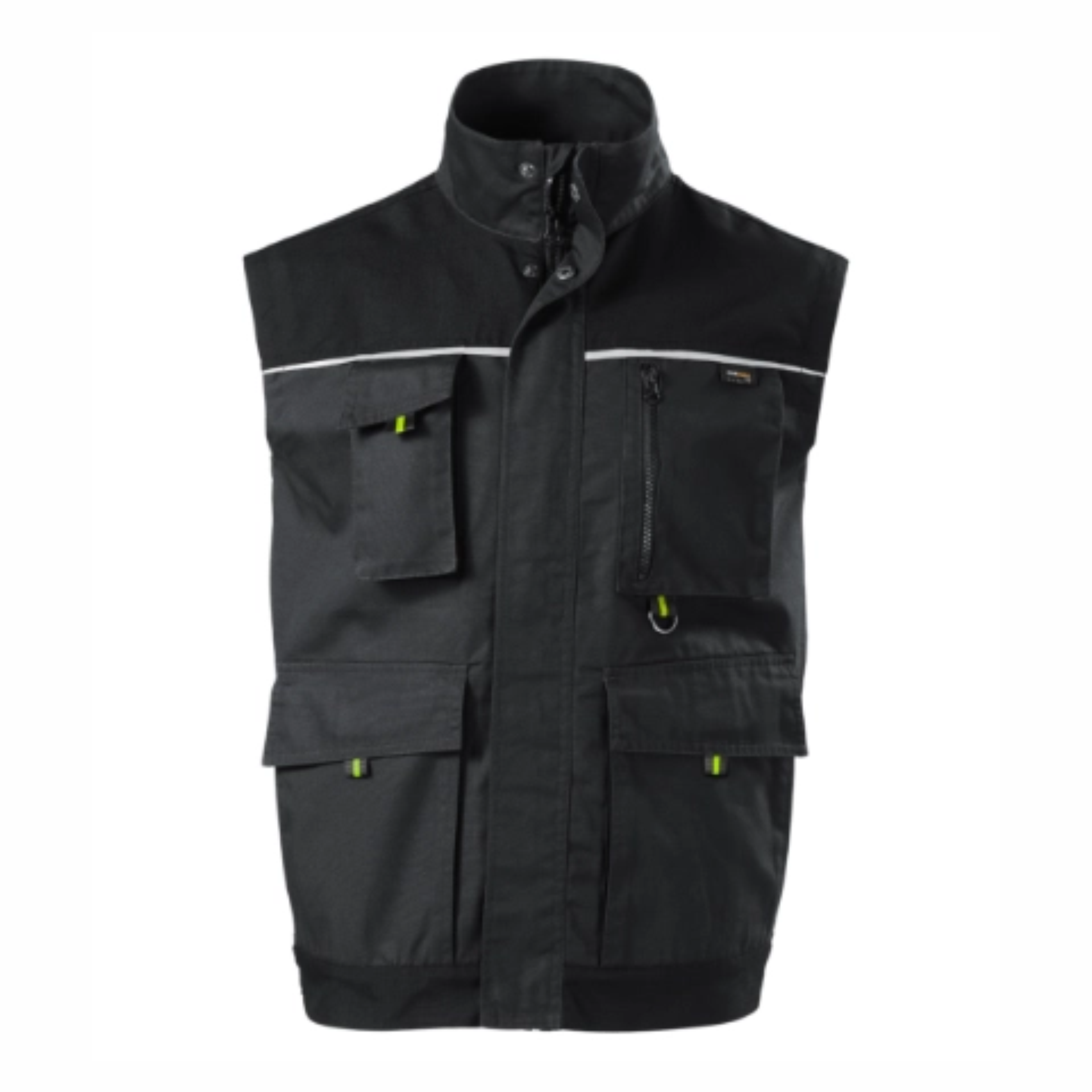
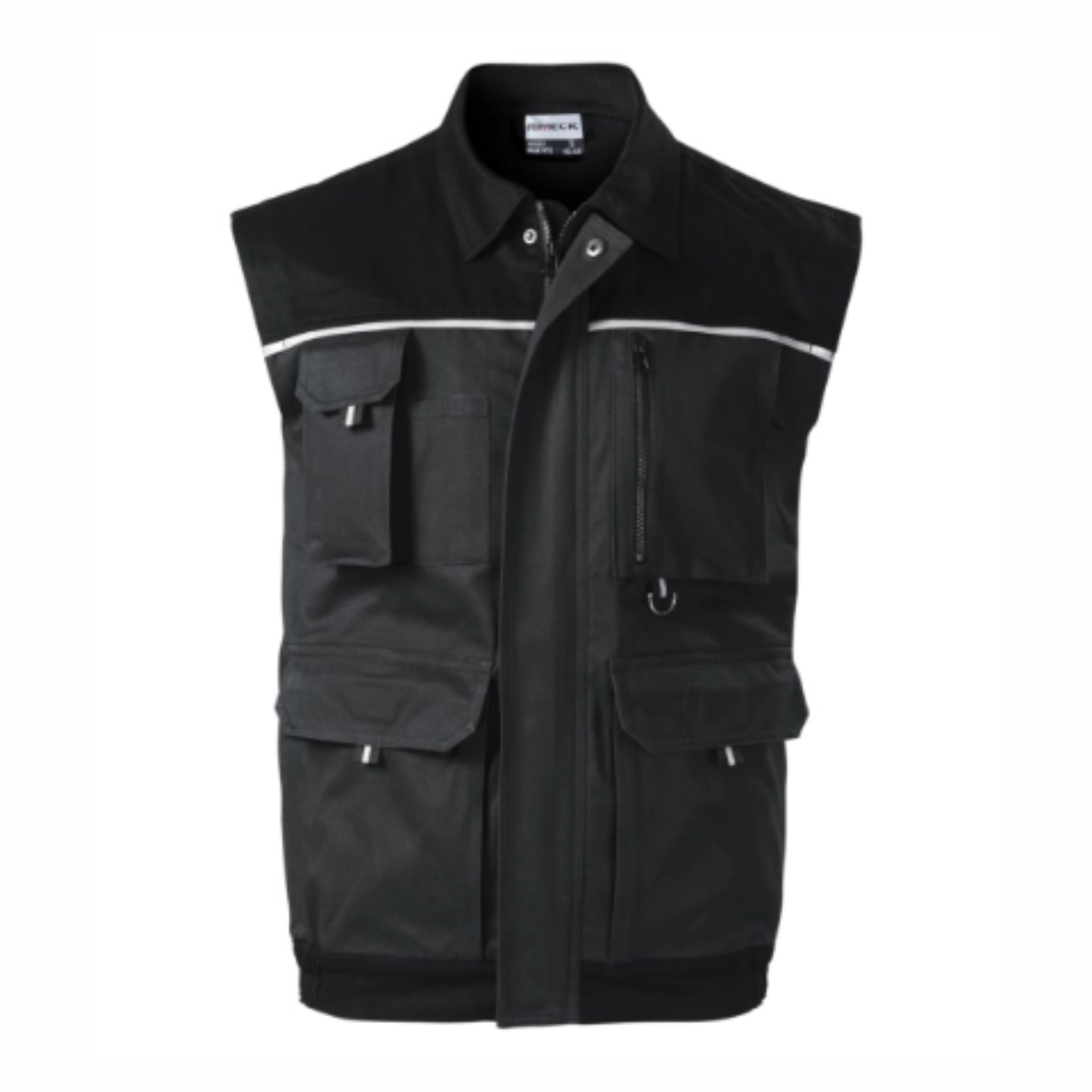
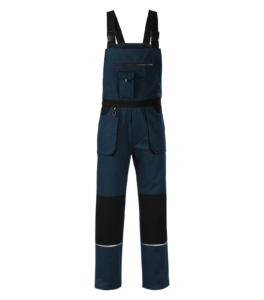
Compare the Ranger men’s work jacket, Woody men’s work jacket and Cordura Unisex bib trousers. They serve different roles and may form separate parts of a workwear outfit. Review materials, measurements, and pockets. Assess protective properties and laundry suitability from each model’s documentation.
Confirm sizing through fitting and care around use. Identify any required protective function separately in the order brief.
Send roles, garments, and quantities needed. Include the logo, color preferences, and sizes. Kingivabrik can help compare workwear and plan coordinated team branding.
Explore related options in Branded clothing and textiles.