
The Journey Towards More Environmentally Friendly Business Gifts
Eco-friendly business gifts no longer simply mean a product in a natural shade or with the word “eco” on it. There has been a clear shift in the promotional products industry. More and more suppliers are talking not only about materials, but also about traceability, compliance, carbon footprint, product passports, and the actual lifespan of a product.
Premium business gift supplier XD Connects highlights that responsibility starts with honesty and transparency. Another supplier, Midocean, emphasizes the importance of the digital product passport, while their competitor, AODACI, already shows, for selected products, both the share of sustainable materials and a specific carbon footprint.
This is an important change for buyers as well. In the past, the conversation often stayed at the level of a general “green” impression. Today, the industry is gradually moving towards a point where environmental claims require stronger evidence, and slogans alone are no longer enough.
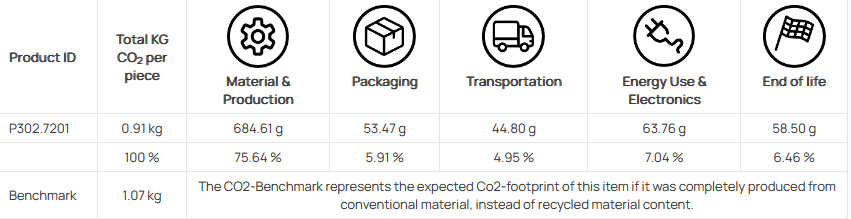
XD Connects CO2 Footprint
A More Environmentally Friendly Gift Starts with Better Information
The good news is that suppliers are genuinely making an effort. Not all of them in the same way, and not all at the same stage, but the direction is clear.
For example, XD Connects uses digital product passports that improve transparency around the use of recycled materials. For their IQONIQ products, a QR code allows the buyer to follow the journey of a specific item from raw material to finished product, including its environmental footprint. In addition, XD Connects has published measurable results, including a 6.2% reduction in CO₂ emissions in its drinkware category, in its 2024 impact report.
What stands out with AODACI is that sustainability is not just part of the brand story. It also reaches the product data itself. In their sustainability overview, they discuss increasing the share of sustainable materials in their collection and offsetting part of the carbon footprint associated with warehouse stock. At the same time, their product pages already display concrete indicators, such as the percentage of sustainable materials and the item’s carbon footprint. This makes product comparison far more meaningful for buyers.
In the case of midocean, two things stand out. First, they emphasize developing a more responsible collection and reducing environmental impact. Second, they see the digital product passport as a tool that helps explain a product’s journey from raw material to recycling. In other words, a “greener” product should not just mean a better-looking sustainability claim, but a product that is more clearly explained and better documented.
Quality Is Also an Environmental Issue
When sustainability is discussed, the focus often stays on materials. In reality, an equally important question is how long the product will actually be used. If an item breaks quickly, much of its environmental value disappears just as quickly.
Mug manufacturer Maxim expresses this idea well in its values. In their view, promotional products should be creative, durable, and considerate towards both the customer and the environment. They also point out that the durability of products and decorations helps reduce waste.
This is a very important message for business gift buyers as well. A more environmentally friendly choice is not only a product made from recycled material. In many cases, the better choice is a higher-quality item that lasts longer, is kept for longer, and does not become waste after a few weeks. That is why green business gifts should always be evaluated through three lenses at once: material, lifespan, and real usefulness.
The Effort Goes Beyond the Product Itself
Supplier efforts are no longer limited to adding a single “eco product” to the catalog.
Maxim points out that they use materials and technologies in production that are safe for both people and the environment, reuse supplier packaging, reduce the consumption of paper, fuel, and electricity, sort waste, and work with partners who meet environmental protection requirements.
Slodkie outlines several very concrete steps in its green mission. Heat generated during production is redirected to heat buildings. Since January 2023, they have used 100% renewable energy, and to reduce water consumption, they have installed aerators that help lower water usage by up to 60%. They also use biodegradable filling materials, 100% recycled and recyclable film, paper tape, cooperate with so-called green transport companies, and use plastic with 80% recycled content where food industry requirements allow it. In addition, all of their paper packaging is FSC certified, and their sweets are also available in compostable BIO film packaging.
These examples matter because they show real action. Not just “we care about nature,” but concrete steps in production, logistics, packaging, and material choices.
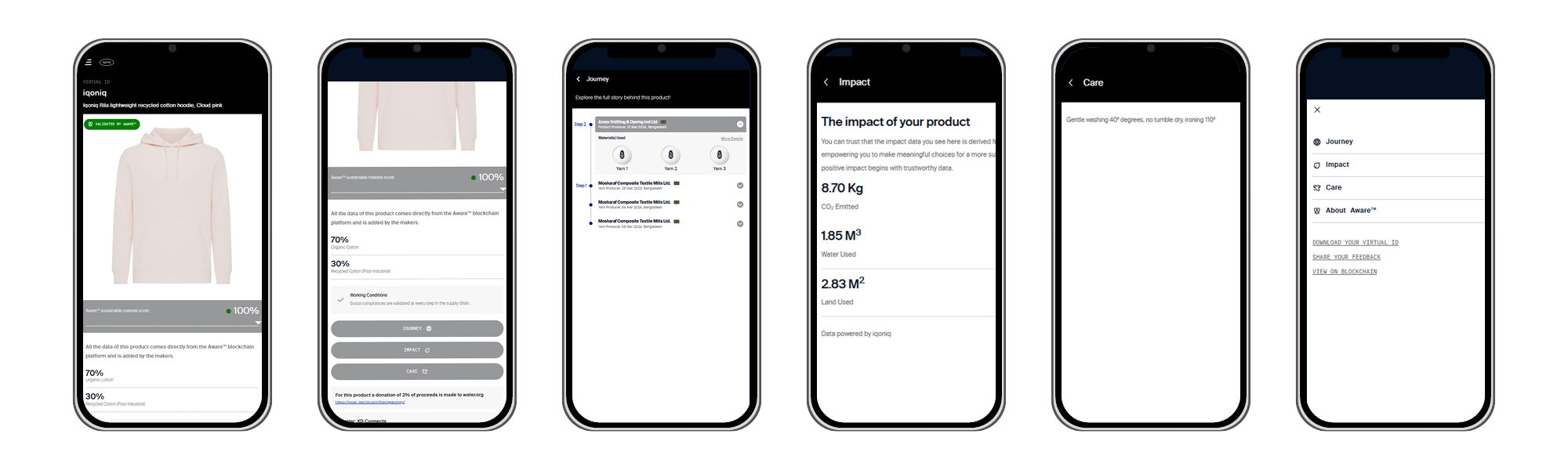
Digital Product Passport (DPP) XD Connects
Compliance and Safety Are Also Part of Responsibility
A more environmentally friendly product is not only one with a lower environmental impact. It also needs to be safe, reliable, and compliant.
On its product compliance page, Midocean clearly states that its products are carefully assessed and meet EU safety directives and regulations as well as health and environmental requirements.
This may sound like a dry topic, but in practice it is highly relevant. A responsible business gift is not just “green.” It is also a product where the supply chain, materials, and intended use have been properly considered. This is where the supplier’s quality system becomes just as important as the product’s appearance.
What Does This Mean for the Buyer?
The most important message is simple. Suppliers are genuinely making an effort, and the industry is moving step by step in a better direction. Not towards perfection, but towards better choices. More recycled and certified materials, more transparency, more measurable data, and more focus on quality and longer product life.
That is why buyers should ask less about whether a product is simply labeled eco, and more:
Is the origin of the material clear? Has the impact been measured in any way? Is the product durable? Is the packaging well thought through? Can the supplier actually support their claims with evidence?
That is the most sensible path towards more environmentally friendly business gifts.
In the end, better choices are not created by one big slogan. They are created by many smaller but real steps. And those are exactly the kinds of steps that are becoming more visible across suppliers today than ever before.
Explore Kingivabrik’s environmentally friendly product selection at www.meened.ee
.